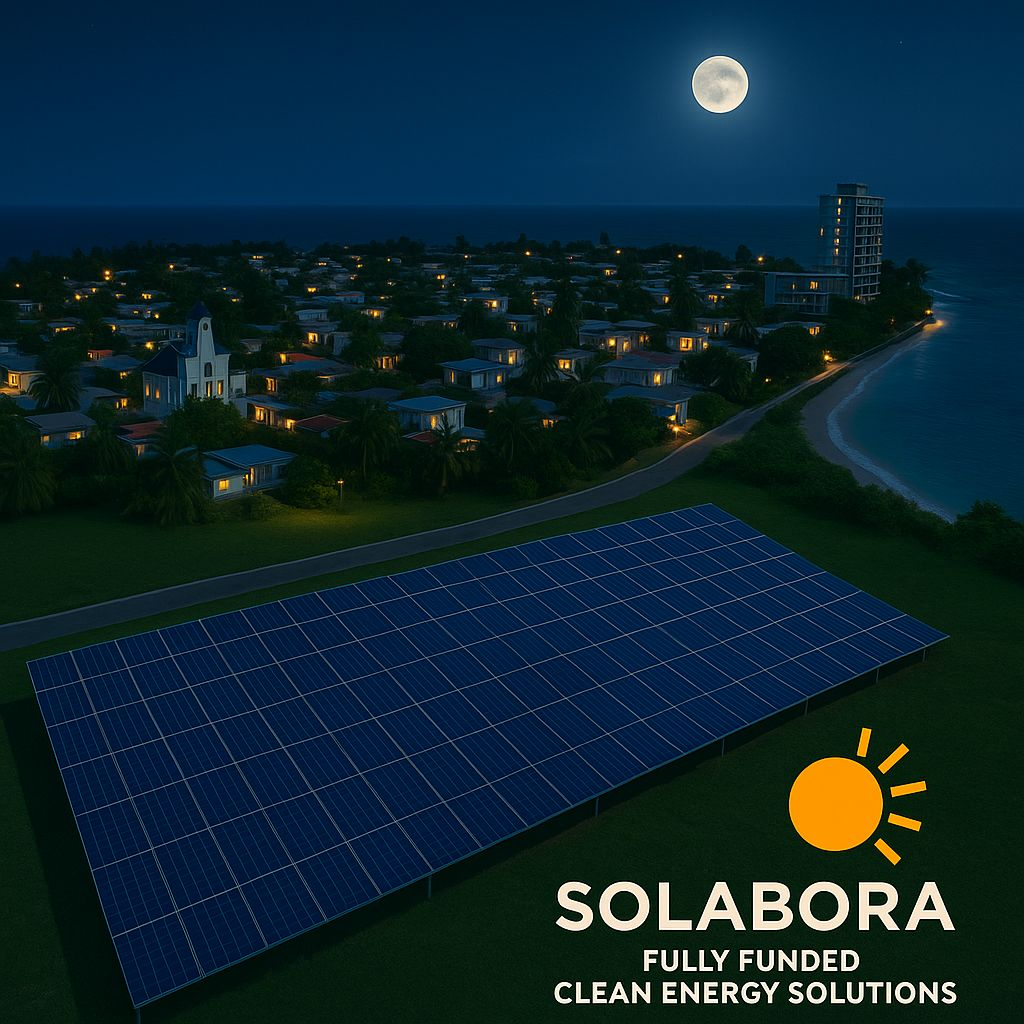
Small island nations, from the Caribbean to the Pacific and Indian Oceans, face unique challenges in energy production. Often dependent on imported fossil fuels, these islands grapple with high electricity costs, supply vulnerabilities, and exposure to climate change impacts. Transitioning to clean energy is not just an environmental necessity—it is a strategy for economic resilience, energy independence, and long-term sustainability.
The Energy Challenge of Small Islands
For decades, most small islands have relied heavily on diesel generators to power homes, businesses, and public infrastructure. This dependency comes with severe drawbacks:
• High costs: Fuel importation raises electricity prices, often making them two to three times higher than global averages.
• Supply risks: Shipping disruptions or global fuel price spikes leave island communities vulnerable.
• Environmental harm: Burning fossil fuels accelerates climate change and worsens air pollution, even as islands are among the most climate-vulnerable regions.
Clean Energy as a Game-Changer
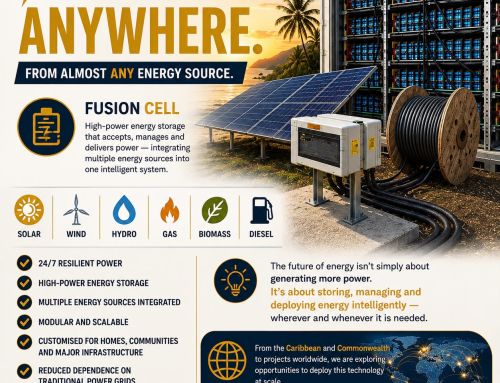
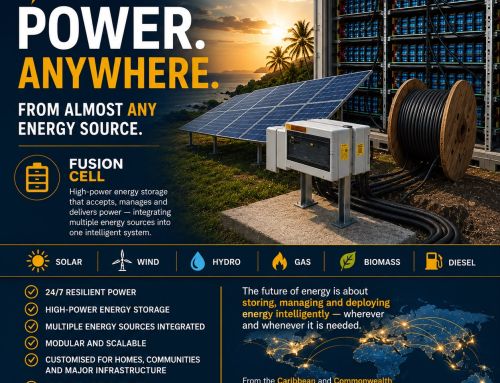
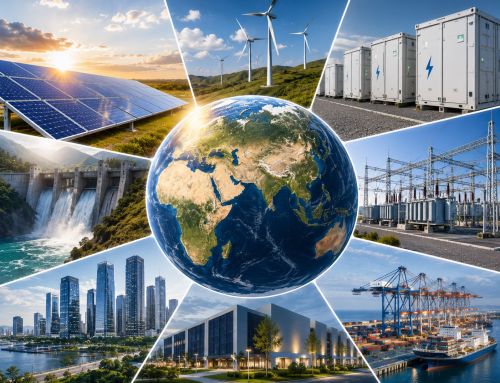
Clean energy—especially solar, wind, ocean energy, and battery storage—offers islands a pathway to energy security. Unlike fossil fuels, renewable resources are abundant, local, and free once infrastructure is in place. For many islands, sunshine and strong coastal winds make renewables particularly viable.
Benefits of Transitioning to Renewables
1. Lower Energy Costs: Solar and wind power are increasingly cheaper than diesel generation. Over time, clean energy reduces electricity bills for households and businesses.
2. Energy Independence: Harnessing local resources frees islands from reliance on imported fuels, creating stability and resilience.
3. Climate Leadership: Small islands contribute little to global emissions but suffer disproportionately from rising seas and extreme weather. Adopting renewables allows them to showcase global leadership in climate action.
4. Economic Growth: Clean energy projects create local jobs in installation, maintenance, and innovation, while reducing outflows of money spent on importing fuel.
Case Studies from Around the World
• Barbados has become a leader in rooftop solar adoption, aiming to be fossil-fuel free by 2030.
• Samoa now generates over 50% of its electricity from renewable sources, with plans for full transition.
• Cape Verde has harnessed wind farms to reduce its dependence on diesel imports.
• Mauritius is integrating solar, wind, and biomass into its energy mix, reducing both costs and emissions.
The Role of Technology and Partnerships
Advances in battery storage, smart grids, and microgrid systems make clean energy more reliable than ever. Partnerships with international organisations, development banks, and private investors are critical in financing and scaling renewable projects on islands. Innovative business models such as community-owned solar farms or pay-as-you-go energy systems are also bringing inclusive access to clean power.
A Path Forward
To fully realise the potential of clean energy, islands need:
• Supportive policy frameworks that encourage investment.
• International financing mechanisms tailored to small economies.
• Capacity building to train local engineers and technicians.
• Regional cooperation to share knowledge and technology.
Conclusion
For small islands across the world, clean energy is more than a climate solution—it is a lifeline. By embracing solar, wind, and ocean energy, islands can cut costs, secure independence, protect their fragile ecosystems, and lead the global movement toward sustainability. The future of island nations shines brightest when powered by clean, renewable energy.