A Global Turning Point
According to the latest data from the International Energy Agency (IEA), the world is undergoing one of the most significant shifts in the history of energy production. Global renewable energy capacity is projected to double by 2030, marking a decisive move toward cleaner, more sustainable power systems.
The growth is being driven primarily by solar photovoltaic (PV) installations, which are expected to account for 80% of the global increase in renewable capacity over the next five years. This expansion is being mirrored by the rapid acceleration of wind energy, which is forecast to double its contribution within the same timeframe.
But perhaps the most symbolic milestone yet came in 2025, when renewable energy — for the first time ever — overtook coal as the world’s largest source of electricity generation.
The Data Behind the Change
Analysis of electricity generation across 88 countries, representing 93% of global electricity demand, shows a dramatic transformation in the energy landscape. The first six months of 2025 alone highlighted an inflection point: renewable energy sources collectively generated more electricity than coal, a feat unimaginable just a decade ago.
This transformation has been propelled by several converging factors:
• Falling technology costs — particularly in solar and battery storage — have made renewables the most cost-effective energy source in many regions.
• Government incentives and policy frameworks have accelerated investment in clean energy infrastructure.
• Corporate and investor commitments to net-zero targets have created new demand for sustainable power.
• Technological innovation in grid management and storage has enabled greater integration of variable renewable sources.
Solar PV: The Centerpiece of the Revolution
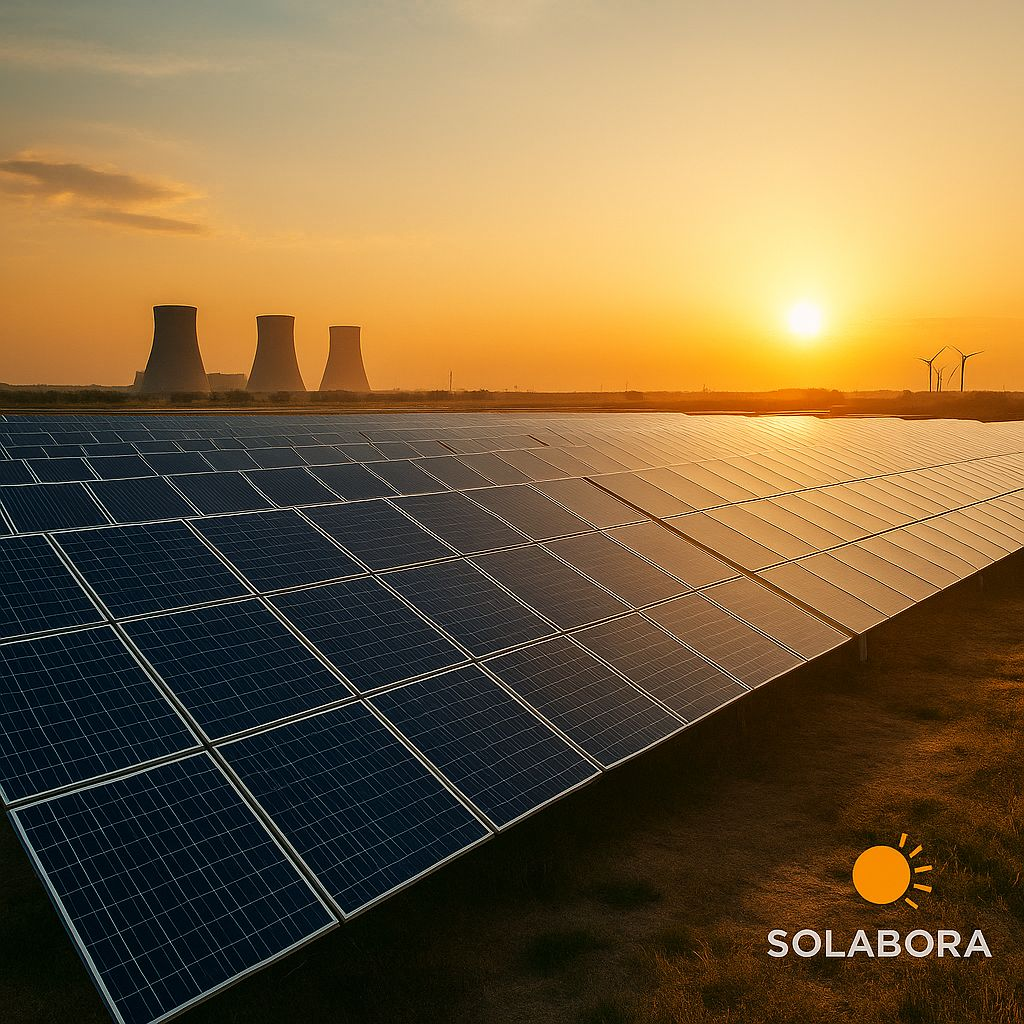
No technology has reshaped global energy dynamics more dramatically than solar power. Once a niche market limited by cost and efficiency, solar PV is now leading the charge. With advances in panel efficiency, scalable deployment, and rapid manufacturing growth — especially across Asia and the Middle East — solar has become the cornerstone of global decarbonization.
Many developing nations are also seizing this opportunity to leapfrog fossil-fuel dependency, deploying off-grid and hybrid solar systems that bring reliable electricity to previously underserved regions.
The Role of Wind and Storage
Wind energy continues to complement solar in driving renewable dominance. Offshore wind farms, in particular, are seeing explosive growth, as nations harness coastal and deep-sea winds to supply urban centers.
Meanwhile, energy storage technology — through large-scale batteries and innovative grid solutions — is bridging the intermittency gap, ensuring renewable generation remains stable and reliable around the clock.
What This Means for the Future
This transition is more than an energy story; it’s an economic and environmental one.
As renewable power grows, carbon emissions decline, energy security improves, and new industries emerge, creating millions of jobs in manufacturing, engineering, and technology.
If this trajectory continues, the 2030s could see a world where renewables dominate not just power generation but the entire energy ecosystem — from transport and manufacturing to agriculture and smart cities.
The age of coal defined the industrial past.
The age of renewables is defining the sustainable future.
Conclusion
The global energy system is standing at a crossroads — but the direction is clear. As renewables continue their unprecedented rise, the momentum toward a clean, connected, and carbon-neutral world is no longer a vision; it’s a measurable, accelerating reality.
The next five years will shape the energy blueprint for generations to come — and the world is finally on track to power itself sustainably.