Powering a Cleaner Future: A Look at Today’s Leading Renewable Energy Technologies
The global transition toward cleaner, more resilient energy systems is accelerating — and with it comes a diverse mix of technologies that are reshaping how nations produce and consume power. From solar and hydrogen to biomass and emerging innovations, the future of energy will be built on a blend of complementary solutions rather than a single source.
Here’s a snapshot of some of the most impactful clean energy technologies driving the transition.
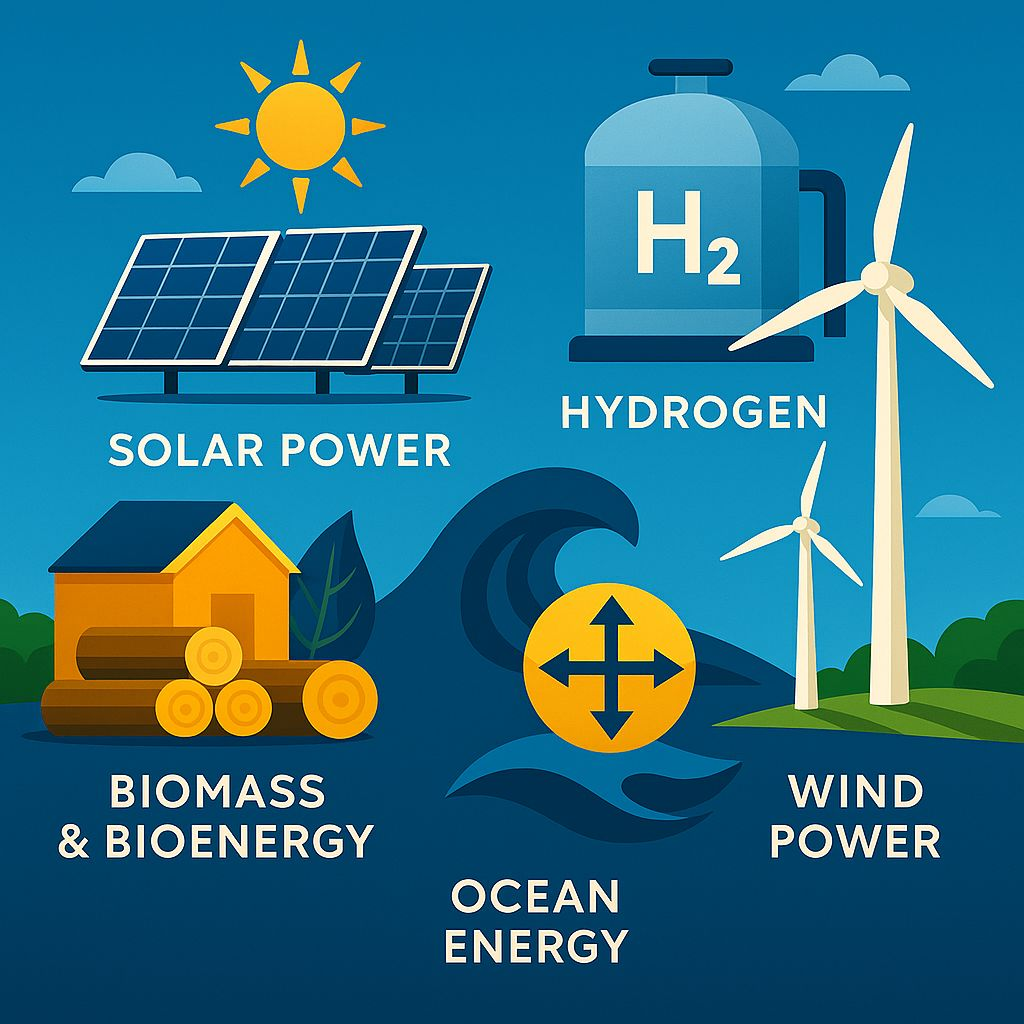
☀️ Solar Power — The Fastest-Growing Renewable Source
Solar remains the most rapidly expanding form of renewable energy worldwide.
Why? Because it is:
• Scalable for homes, businesses, and utility-level projects
• Cost-efficient, with falling installation costs
• Low-maintenance and highly predictable
With the integration of battery storage, solar can now provide reliable power even when the sun goes down, making it a cornerstone of global clean energy strategies.
🔋 Hydrogen — The Future of Heavy Industry & Transport
Hydrogen is quickly becoming a key player, especially in sectors that are difficult to electrify.
Two forms dominate the conversation:
Green Hydrogen
Produced using renewable energy — the cleanest and most sustainable option.
Blue Hydrogen
Created from natural gas with carbon capture, reducing emissions.
Hydrogen is ideal for:
• Heavy transport (ships, trucks, trains)
• Steel and cement production
• Backup power and grid storage
Its versatility makes it a powerful tool for countries aiming for deep decarbonisation.
🌱 Biomass & Bioenergy — Turning Waste Into Power
Biomass uses organic materials such as wood, agricultural waste, and even food waste to create usable heat and electricity.
It offers:
• A circular economy approach to energy
• Reduced landfill waste
• Reliable, dispatchable power
Advanced bioenergy technologies — including biogas and biofuels — are helping industries lower emissions with minimal disruption to existing infrastructure.
🌬️ Wind Power — Clean Energy at Scale
Wind remains one of the most efficient forms of renewable power.
Key opportunities include:
• Onshore wind: Cost-effective and quick to deploy
• Offshore wind: Massive energy potential in coastal regions
As turbine designs become more advanced, wind power is expanding into new territories with lower wind speeds and challenging terrain.
🌊 Ocean Energy — Tidal & Wave Power
Still emerging but highly promising, ocean energy harnesses the power of tides and waves.
Benefits include:
• Predictability (tides are guaranteed)
• Long-term stability
• Suitability for island nations and coastal regions
Though still in development, this technology is gaining momentum as countries seek diversified clean energy sources.
⚡ The Clean Energy Mix — Working Together, Not Competing
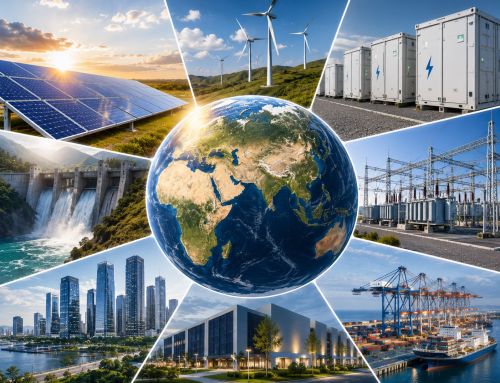
No single technology will power the future — the real solution lies in a diversified mix.
Solar + wind + hydrogen + biomass + storage + grid upgrades
= Reliable, low-carbon energy systems that strengthen economies and reduce dependency on fossil fuels.
Nations that embrace this blended approach will gain:
• Energy independence
• Lower long-term costs
• Enhanced resilience
• Cleaner air and healthier communities
A Global Opportunity
Whether you’re a government, investor, developer, or community leader, clean energy presents one of the greatest opportunities of our time — economically, environmentally, and socially.
The transition is no longer a vision.
It’s happening now.
And the world is ready for partners who want to build a cleaner, more resilient future.
Talk to us, we have many trusted partners who deliver worldwide clean energy projects -The Honourable Richard Evans: [email protected]