The global shift toward clean energy is no longer a distant vision — it’s happening right now, reshaping economies, industries, and communities across the planet. As governments commit to net-zero goals and investors turn toward sustainable infrastructure, clean energy has become one of the most powerful economic drivers of the 21st century.
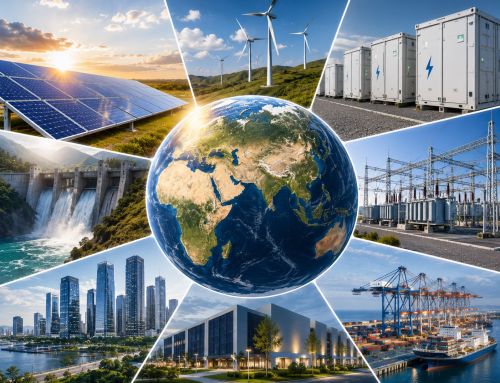
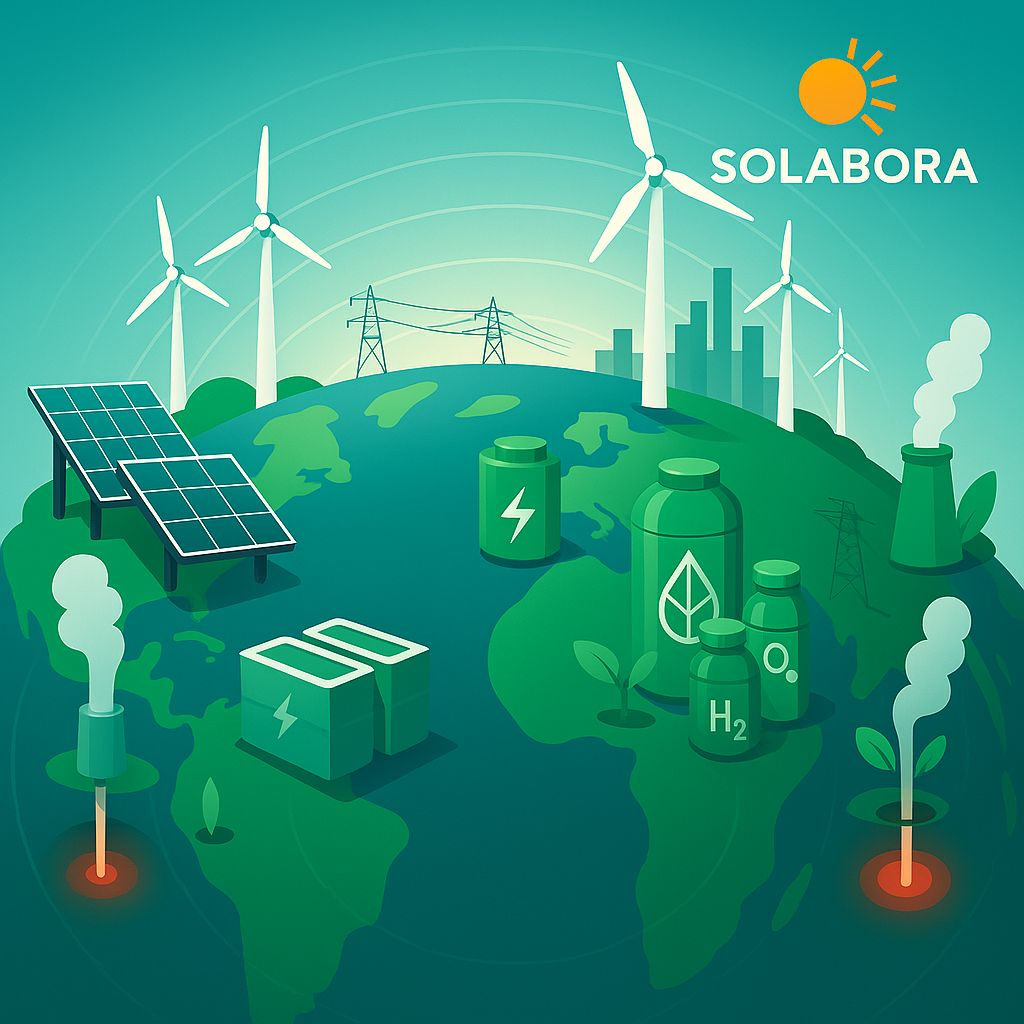
From solar and wind to hydrogen, battery storage, and geothermal power, opportunities are emerging at every level — from large-scale infrastructure projects to local microgrids. The question is no longer if the world will transition, but how quickly and who will lead.
The Global Energy Transition
The clean energy market is growing at an unprecedented pace. According to the International Energy Agency (IEA), renewable capacity is set to expand by nearly 60% between 2024 and 2030. Falling technology costs, stronger policy frameworks, and the urgent need to cut carbon emissions have created a perfect storm for growth.
But this transformation isn’t just about climate responsibility — it’s about energy security, economic resilience, and innovation. Clean energy systems are increasingly decentralised, smarter, and more adaptable than traditional fossil-based networks. For businesses, investors, and policymakers, this means fresh opportunities in engineering, manufacturing, financing, and digital energy management.
Where the Opportunities Lie
The clean energy sector spans a wide range of technologies and value chains, each with unique opportunities for investment and innovation:
• Solar Energy: Rapidly deployable, modular, and now among the cheapest sources of electricity in the world. Solar farms, rooftop installations, and community grids are all thriving.
• Wind Power: Both onshore and offshore wind continue to dominate global capacity additions, driven by improved turbine efficiency and scalable infrastructure.
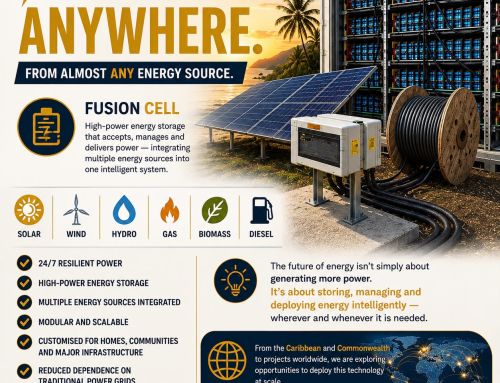
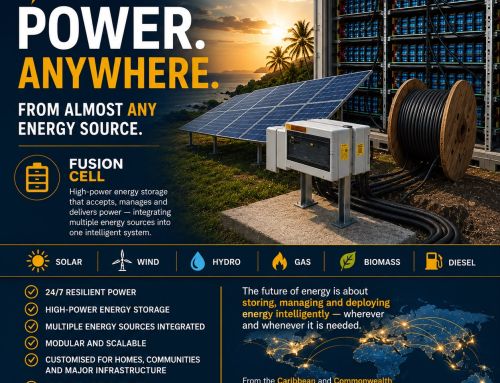
• Energy Storage: Battery Energy Storage Systems (BESS) are now essential to stabilise grids and store intermittent power — a major investment frontier.
• Green Hydrogen: As industries and transport seek decarbonisation, green hydrogen offers a scalable, zero-emission fuel solution for the future.
• Geothermal and Bioenergy: Providing reliable baseload power, these sources are key for countries with suitable geography and agricultural resources.
Each of these areas brings with it parallel opportunities in research, manufacturing, logistics, data analytics, and long-term maintenance — creating millions of new jobs globally.
The Top Countries Driving Demand and Growth
Clean energy development is a global movement, but certain nations stand out for their scale, ambition, and progress.
China is currently the undisputed leader, producing over 30% of the world’s renewable electricity. With record-breaking investments in solar, wind, and grid infrastructure, China continues to dominate both the manufacturing and deployment of clean energy technologies. The United States follows closely behind, driven by policy incentives such as the Inflation Reduction Act, which has unlocked hundreds of billions in tax credits for renewable projects, EVs, and green manufacturing. States like Texas, California, and New York are leading regional revolutions in wind, solar, and battery storage.
India represents one of the fastest-growing clean energy markets in the world. With ambitious targets and vast solar and wind potential, India is not only reducing emissions but also positioning itself as a global manufacturing hub for renewable technologies. Across Europe, countries like Germany, Spain, Denmark, and the Netherlands are setting benchmarks in energy efficiency, offshore wind, and hydrogen infrastructure. The European Union’s aggressive climate policies and financial instruments have made it one of the most advanced clean energy regions globally.
In South America, Brazil is expanding beyond hydropower into solar and wind, creating a more diversified and sustainable mix. Meanwhile, Kenya and other East African nations are leading the way in geothermal energy and decentralized solar systems, showcasing how developing economies can leapfrog into a clean, resilient future. In the Middle East, the United Arab Emirates and Saudi Arabia are making bold moves toward green hydrogen, large-scale solar farms, and sustainable city planning — a clear signal that even traditional energy giants are pivoting toward renewables.
What Makes a Country Attractive for Clean Energy Investment
Investors and developers are drawn to markets with abundant natural resources, stable policy environments, and growing electricity demand. The most promising clean energy destinations typically offer:
• Strong solar or wind potential
• Clear government policies and incentives
• Robust grid infrastructure and transmission networks
• Access to financing and skilled labor
• A commitment to sustainability and international climate goals
Regions that combine these factors — particularly parts of Asia, Africa, and Latin America — are poised to see massive renewable build-outs over the next decade.
The Challenges and the Path Ahead
Despite remarkable progress, challenges remain. Grid integration, supply chain constraints, and high upfront capital costs continue to slow deployment in some regions. Land access, regulatory red tape, and social acceptance are also hurdles that require careful planning and stakeholder engagement. However, these challenges are far from insurmountable. New financing models, public-private partnerships, and technology innovations are rapidly addressing them. The combination of political will, global collaboration, and private sector leadership is pushing the clean energy transition forward at record speed.
The Bottom Line
Clean energy is not just an environmental imperative — it’s an economic revolution. From powering cities and industries to creating millions of jobs and driving sustainable growth, the opportunities are vast and accelerating.
Whether you’re an investor, developer, policymaker, or entrepreneur, now is the time to engage with the clean energy ecosystem. The global race toward net zero has already begun — and those who act early will shape the energy future of tomorrow.
Contact [email protected]